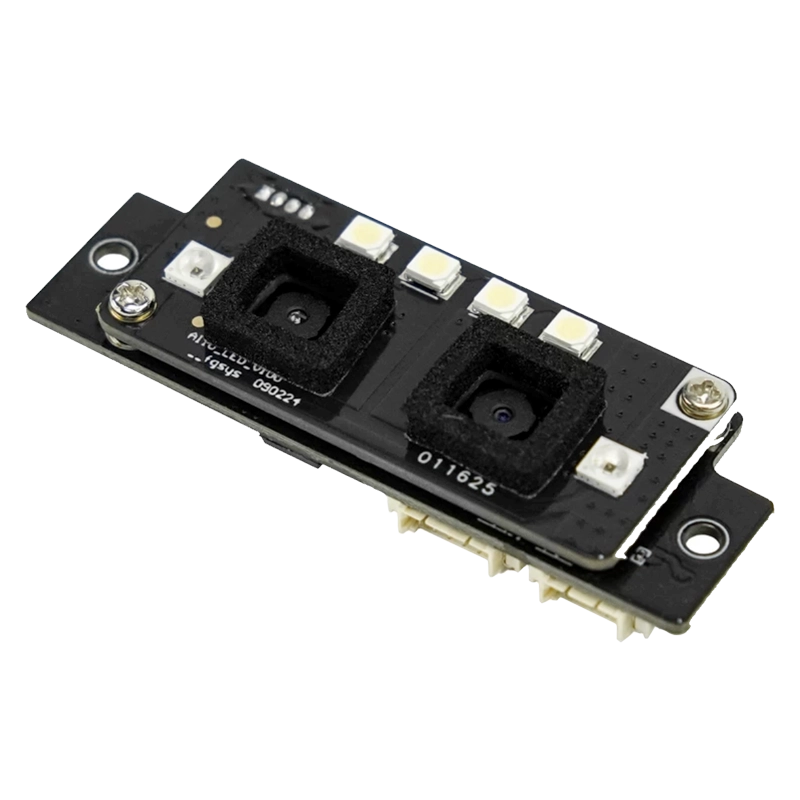
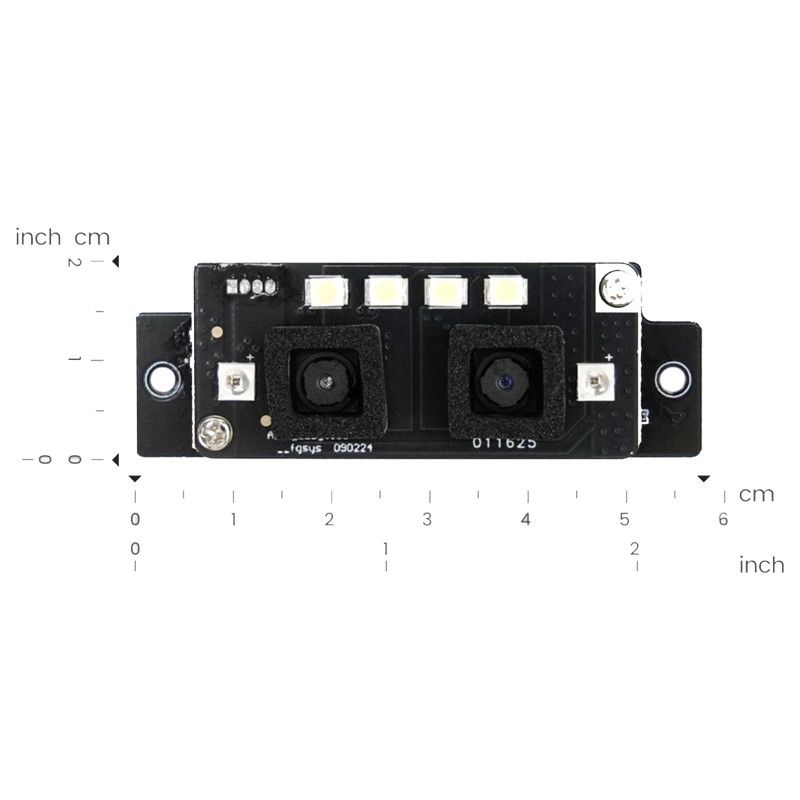
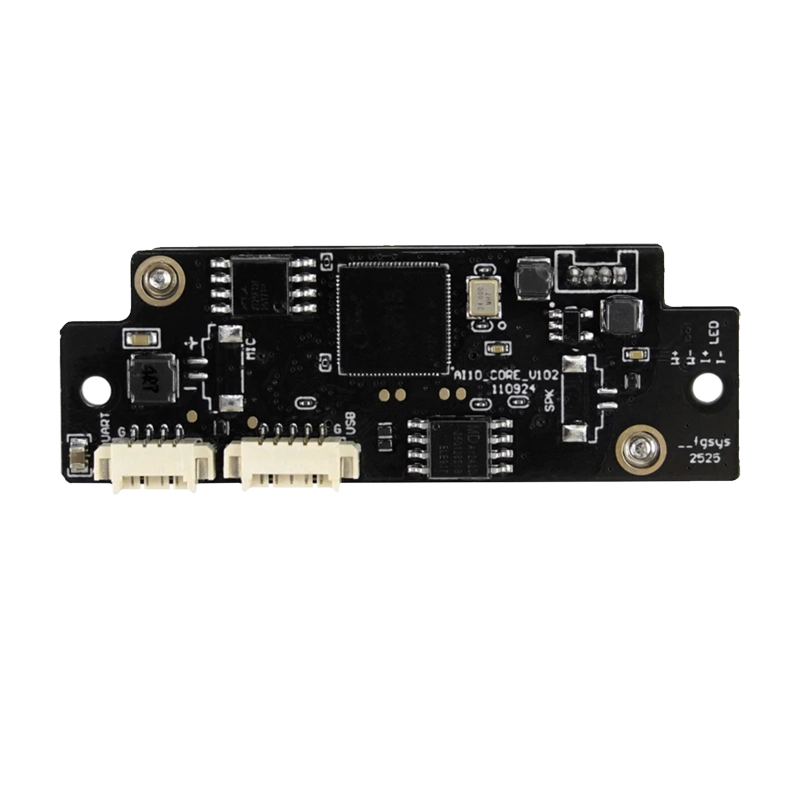
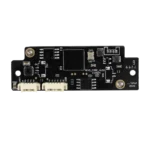

Offline AI Binocular 3D Vision Recognition Sensor (Face / Palm Vein / QR Code)

A 3-in-1 face recognition sensor with palm vein and QR code scanning — fully offline, onboard AI, and built for secure access control projects across India.

✅ Face, palm vein & QR code recognition in one module
✅ Onboard AI chip — zero host CPU load
✅ 3D liveness detection blocks photo/video spoofing
✅ Works in complete darkness, stores 1,000 users
✅ Best price in India — only at techiesms

Apple Shopping Event

Hurry and get discounts on all Apple devices up to 20%

Sale_coupon_15

5,600.00
(inc. GST)

3 in stock

3 in stock

19 People watching this product now!

Payment Methods:

Description

Face recognition sensor technology takes a serious leap forward with the DFRobot Offline AI Binocular 3D Vision Recognition Sensor — a compact, onboard-AI module built for makers, students, and integrators across India who need secure, offline identity verification without depending on the cloud. Combining face, palm vein, and QR code recognition in a single 3-in-1 unit, this sensor handles every bit of processing locally, so your microcontroller stays free while your project’s security stays airtight.

Technical Specifications

This face recognition sensor is built around a dedicated AI chip, and every value below has been cross-checked against the official DFRobot datasheet.

Parameter Details
SoC Arm CPU @ 900MHz + 0.5 TOPS NPU + RISC-V @ 600MHz
Cameras Dual 2MP CMOS (RGB + IR), 83° diagonal FOV
Storage 64MB DDR2 + 32MB Flash
User Capacity 1,000 faces + 1,000 palm veins
Recognition Accuracy 0.001% FAR, 98.85% pass rate
Communication UART @ 115200 bps, USB (UVC video)
Voltage Rating 5–12V, 320–330mA operating current
Boot Time 0.9–2.5 seconds
Operating Temperature -20°C to +60°C
Dimensions 57.8 x 20 x 10.12 mm

What Makes It Stand Out

What sets this face recognition sensor apart from an ordinary camera module is its binocular RGB + IR pair, which performs genuine 3D liveness detection. Instead of matching a flat image, it captures real depth — so a printed photo or a video played on a phone screen simply won’t fool it. Every parameter and algorithm behind this has been confirmed straight from the official datasheet.

The onboard NPU means all three recognition modes — face, palm vein, and QR — run entirely on-module, even in complete darkness. There’s no cloud round-trip, no host CPU load, and no internet dependency. For firmware and command references, DFRobot maintains the DFRobot_AI10 Arduino library on GitHub, which works out of the box with Arduino Uno, Mega, Leonardo, and FireBeetle ESP32/ESP8266 boards.

Why Makers Choose This

Most access-control projects force a choice between complexity and security. This face recognition sensor removes that trade-off — plug it into any microcontroller over UART, send a couple of AT commands, and you get enrollment, deletion, and continuous recognition without writing a single line of image-processing code.

That’s exactly why makers building smart locks, attendance systems, and self-service kiosks in India keep reaching for this module at the best price. For step-by-step setup, DFRobot’s own installation and getting-started guide walks through mounting height, cover plate placement, and enrollment distances for reliable results.

Important Links

🔗 Official Datasheet (PDF) — full specs, pinout, and electrical characteristics
🔗 DFRobot_AI10 GitHub Library — Arduino library for enrollment and recognition
🔗 Getting Started Guide — installation height, tilt angle, and cover plate setup
🔗 Continuous Recognition Example Code — live face, palm, and QR detection sketch

Best Used For

This module fits naturally into a smart door lock that unlocks on a glance instead of a key. It works just as well in an office attendance terminal that logs entries without fingerprint contact, or a home automation panel that arms and disarms based on who walks up to it. Retail and self-service kiosks benefit from its QR scanning for quick payment or ticket verification, and DIY security panels can combine palm vein recognition with face matching for two-factor physical access — all running offline, with zero recurring cost.

Frequently Asked Questions

Q: Does this face recognition sensor need an internet connection to work?
No. All face, palm vein, and QR code processing happens on the onboard AI chip, so it works completely offline with zero dependency on cloud servers.

Q: Can it be powered directly from a microcontroller like Arduino Uno?
It needs a 5–12V supply and draws around 320–330mA, so a regulated external 5V source (like the included USB cable) works best rather than the board’s onboard 5V pin alone.

Q: How many faces and palm prints can it store?
It supports up to 1,000 face templates and 1,000 palm vein templates locally, with no external memory required.

Q: Does it work in low light or complete darkness?
Yes. The dual RGB + IR camera setup allows this face recognition sensor to recognize users even in total darkness or bright outdoor conditions.

Q: Can it be tricked by a photo or video?
No. Its binocular 3D liveness detection distinguishes a live person from a flat image or screen playback, giving it strong anti-spoofing protection.

Description

Face recognition sensor technology takes a serious leap forward with the DFRobot Offline AI Binocular 3D Vision Recognition Sensor — a compact, onboard-AI module built for makers, students, and integrators across India who need secure, offline identity verification without depending on the cloud. Combining face, palm vein, and QR code recognition in a single 3-in-1 unit, this sensor handles every bit of processing locally, so your microcontroller stays free while your project’s security stays airtight.

Technical Specifications

This face recognition sensor is built around a dedicated AI chip, and every value below has been cross-checked against the official DFRobot datasheet.

Parameter Details
SoC Arm CPU @ 900MHz + 0.5 TOPS NPU + RISC-V @ 600MHz
Cameras Dual 2MP CMOS (RGB + IR), 83° diagonal FOV
Storage 64MB DDR2 + 32MB Flash
User Capacity 1,000 faces + 1,000 palm veins
Recognition Accuracy 0.001% FAR, 98.85% pass rate
Communication UART @ 115200 bps, USB (UVC video)
Voltage Rating 5–12V, 320–330mA operating current
Boot Time 0.9–2.5 seconds
Operating Temperature -20°C to +60°C
Dimensions 57.8 x 20 x 10.12 mm

What Makes It Stand Out

What sets this face recognition sensor apart from an ordinary camera module is its binocular RGB + IR pair, which performs genuine 3D liveness detection. Instead of matching a flat image, it captures real depth — so a printed photo or a video played on a phone screen simply won’t fool it. Every parameter and algorithm behind this has been confirmed straight from the official datasheet.

The onboard NPU means all three recognition modes — face, palm vein, and QR — run entirely on-module, even in complete darkness. There’s no cloud round-trip, no host CPU load, and no internet dependency. For firmware and command references, DFRobot maintains the DFRobot_AI10 Arduino library on GitHub, which works out of the box with Arduino Uno, Mega, Leonardo, and FireBeetle ESP32/ESP8266 boards.

Why Makers Choose This

Most access-control projects force a choice between complexity and security. This face recognition sensor removes that trade-off — plug it into any microcontroller over UART, send a couple of AT commands, and you get enrollment, deletion, and continuous recognition without writing a single line of image-processing code.

That’s exactly why makers building smart locks, attendance systems, and self-service kiosks in India keep reaching for this module at the best price. For step-by-step setup, DFRobot’s own installation and getting-started guide walks through mounting height, cover plate placement, and enrollment distances for reliable results.

Important Links

🔗 Official Datasheet (PDF) — full specs, pinout, and electrical characteristics
🔗 DFRobot_AI10 GitHub Library — Arduino library for enrollment and recognition
🔗 Getting Started Guide — installation height, tilt angle, and cover plate setup
🔗 Continuous Recognition Example Code — live face, palm, and QR detection sketch

Best Used For

This module fits naturally into a smart door lock that unlocks on a glance instead of a key. It works just as well in an office attendance terminal that logs entries without fingerprint contact, or a home automation panel that arms and disarms based on who walks up to it. Retail and self-service kiosks benefit from its QR scanning for quick payment or ticket verification, and DIY security panels can combine palm vein recognition with face matching for two-factor physical access — all running offline, with zero recurring cost.

Frequently Asked Questions

Q: Does this face recognition sensor need an internet connection to work?
No. All face, palm vein, and QR code processing happens on the onboard AI chip, so it works completely offline with zero dependency on cloud servers.

Q: Can it be powered directly from a microcontroller like Arduino Uno?
It needs a 5–12V supply and draws around 320–330mA, so a regulated external 5V source (like the included USB cable) works best rather than the board’s onboard 5V pin alone.

Q: How many faces and palm prints can it store?
It supports up to 1,000 face templates and 1,000 palm vein templates locally, with no external memory required.

Q: Does it work in low light or complete darkness?
Yes. The dual RGB + IR camera setup allows this face recognition sensor to recognize users even in total darkness or bright outdoor conditions.

Q: Can it be tricked by a photo or video?
No. Its binocular 3D liveness detection distinguishes a live person from a flat image or screen playback, giving it strong anti-spoofing protection.

Specification

Overview

Processor

Display

RAM

Storage

Video Card

Connectivity

Features

Battery

General

Customer Reviews

0 reviews
0
0
0
0
0

There are no reviews yet.

Be the first to review “Offline AI Binocular 3D Vision Recognition Sensor (Face / Palm Vein / QR Code)”