


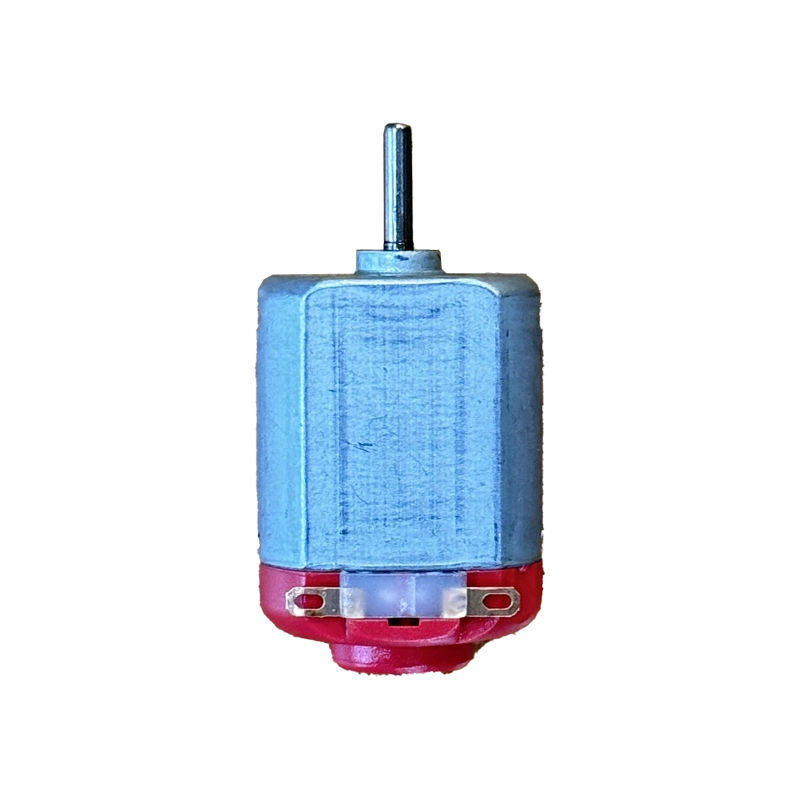
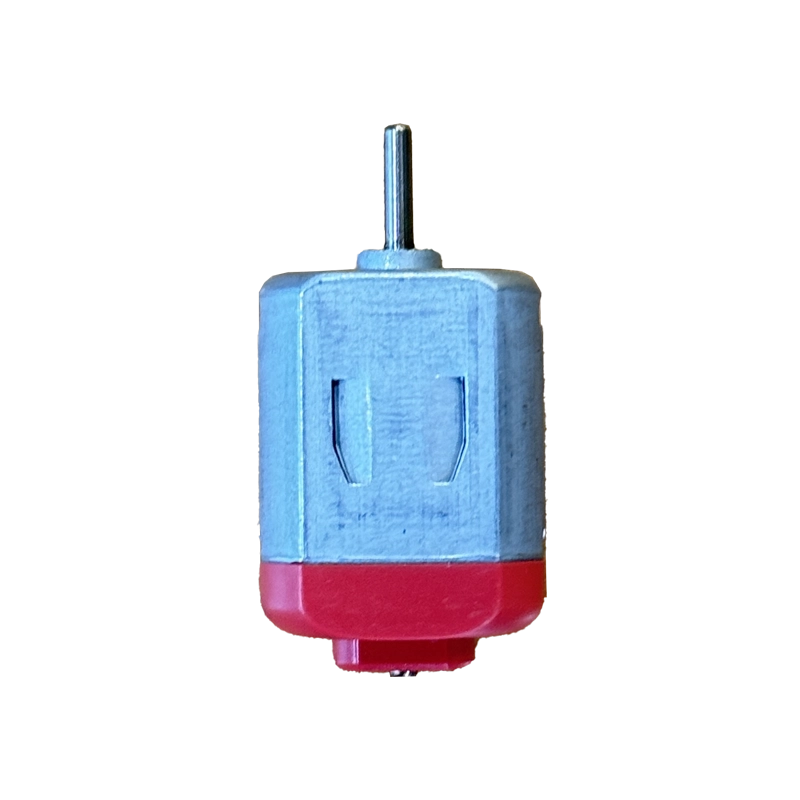
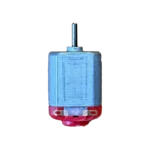
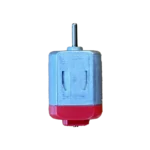


DC toy motor from Techiesms is the small, dependable motion source every beginner reaches for first. Running happily on 3 to 6V, this tiny motor spins up fast and drops straight into breadboard projects without any driver circuitry to configure. Building your first Arduino car, a spinning fan for a school model, or a floating toy boat becomes simple with a DC toy motor like this one. It is a staple in maker kits across India because it is compact, rugged, and forgiving of wiring mistakes, and Techiesms offers it at the best price for hobbyists and classrooms alike. Reverse the two leads and the shaft spins the other way — no code required.
Technical Specifications
Here is the full spec sheet for this DC toy motor, cross-checked for accuracy so you know exactly what is powering your build.
| Parameter | Value |
|---|---|
| Operating Voltage | 3V to 6V DC |
| Recommended Voltage | 5V |
| No-Load Speed | 13,600 RPM |
| Rated Speed | 11,360 RPM |
| No-Load Current | 0.27 A |
| Rated Current | 2.92 A |
| Rated Torque | 29.2 g-cm |
| Stall Torque | 180 g-cm |
| Output Power | 3.47 W |
| Shaft Type | Single shaft |
What Makes It Stand Out
What sets this DC toy motor apart is how much output it packs into a pocket-sized body. With a no-load speed north of 13,000 RPM and rated torque that stays usable under load, it handles small robots, fans, and toy vehicles without bogging down. Since it’s a simple two-terminal motor, you can verify baseline behaviour against the generic reference datasheet and then drive it with any H-bridge or shield.
For Arduino builders who want smooth speed and direction control, the Adafruit Motor Shield library handles PWM speed ramps and direction switching in just a few lines of code.
Why Makers Choose This
Makers across India choose this DC toy motor because it removes the guesswork from a first motion project. There is no polarity to worry about on the terminals, no complex datasheet to decode, and no risk of overloading a microcontroller pin as long as you drive it through a transistor or motor driver as recommended.
If you are new to motors, the Arduino DC motor tutorial walks through wiring and code for controlling speed and direction step by step.
Important Links
🔗 Toy Motor Datasheet (PDF) — reference spec sheet for the toy motor family
🔗 Component Reference Page — pinout, wiring diagram, and general usage notes
🔗 Adafruit Motor Shield V2 Library (GitHub) — Arduino library for PWM speed and direction control
🔗 Arduino DC Motor Tutorial — step-by-step wiring, code, and speed control guide
Best Used For
This DC toy motor fits naturally into a small RC car or robotics chassis where compact size and quick spin-up matter more than raw torque. It works just as well as the drive motor in a science-fair water pump, the propeller on a toy boat, or the fan blade in a DIY air-cooling demo. Electronics students use it to demonstrate current, voltage, and RPM relationships in a physics lab, and hobbyists keep a spare DC toy motor on hand when prototyping a new mechanical idea before committing to a geared motor.
Frequently Asked Questions
Q: Can I run this DC toy motor directly from an Arduino pin? No — always drive it through a transistor, an L293D, or a motor driver module like the L298N or TB6612FNG. Arduino pins cannot safely source the current this motor draws under load.
Q: What voltage should I use for the best performance? The motor is rated for 3 to 6V DC, with 5V giving the best balance of speed and torque for most toy and robotics builds.
Q: Can I control the speed of this DC toy motor? Yes, speed is controlled by varying the input voltage or using PWM through a motor driver — a potentiometer or a microcontroller’s PWM output both work well.
Q: Does this motor come with mounting brackets or wheels? No, this is a standalone shaft motor — you’ll need a separate bracket, wheel, or coupler for your project.
Q: Is this suitable for a beginner’s first electronics project? Absolutely — it needs no library, no complex wiring, and runs on a simple battery or driver circuit.
Related Products
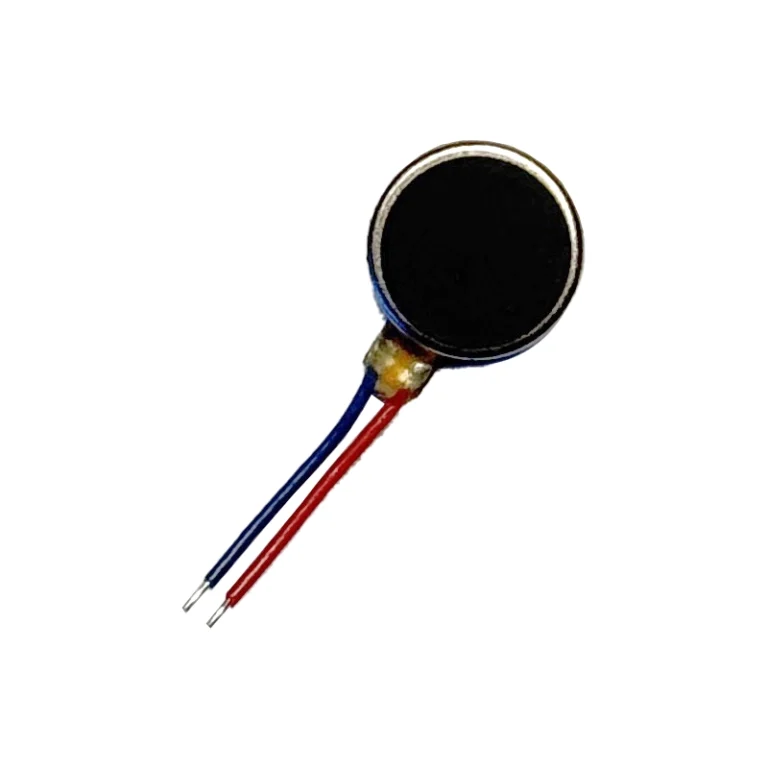
L298N Motor Driver Module
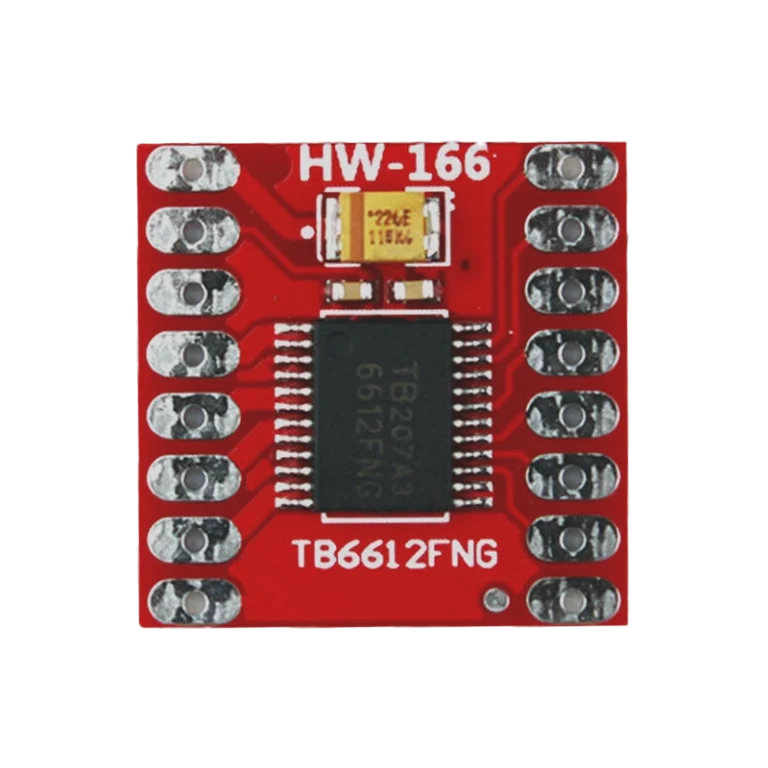
TB6612FNG Dual DC Motor Driver Board
12V 100 RPM DC Geared Motor





Reviews
Clear filtersThere are no reviews yet.