


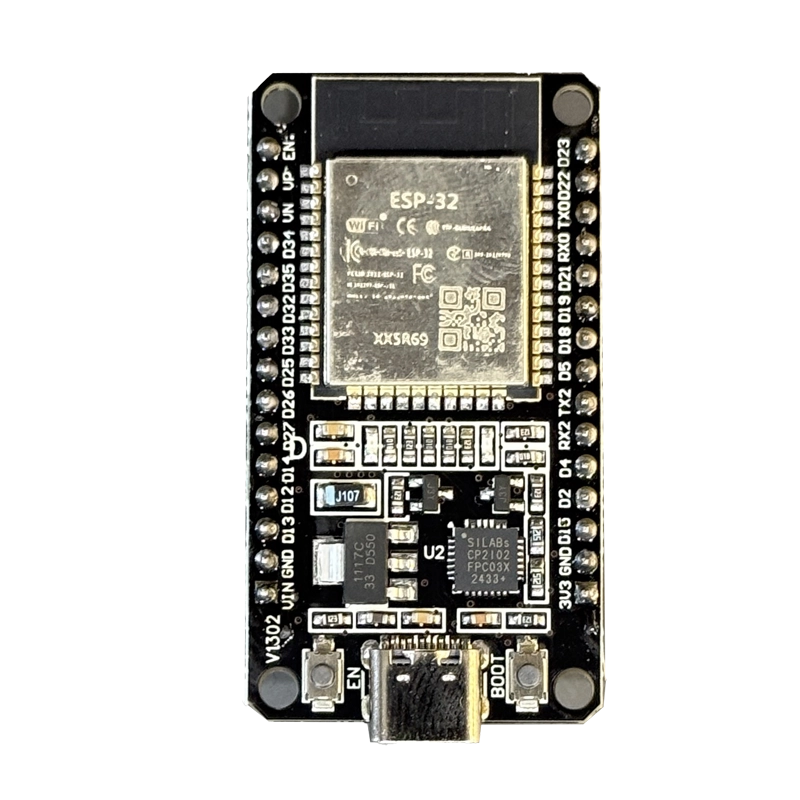
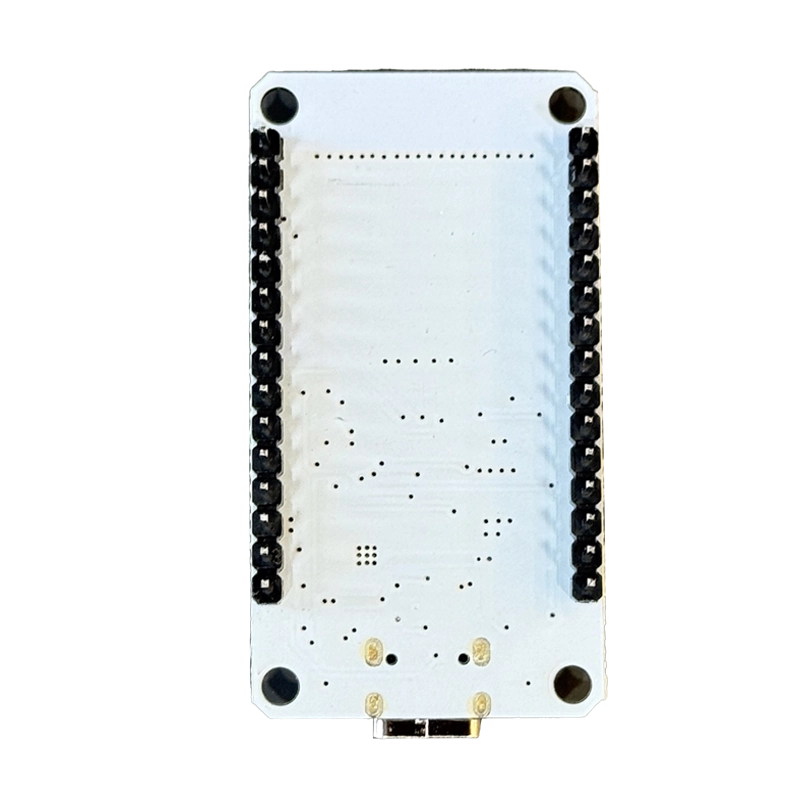
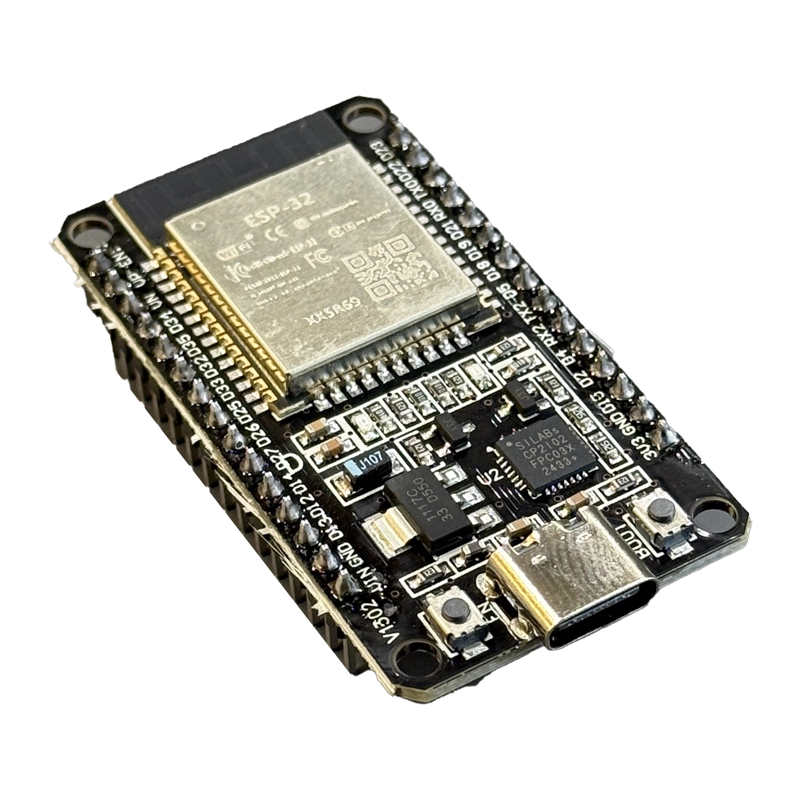


ESP32 development board is one of the most reliable ways to get started with WiFi and Bluetooth-powered electronics projects in India. Built around the powerful ESP-32 dual-core chip, this 30-pin board gives makers, students, and hobbyists everything needed to build smart, connected devices — without the hassle of managing multiple modules. Whether you’re automating your home, building a robot, or logging sensor data over WiFi, this ESP32 development board handles it all from a single, compact footprint.
Technical Specifications
Every spec on this ESP32 development board has been cross-checked against the official datasheet for accuracy:
| Parameter | Value |
|---|---|
| Chipset | ESP-32 (dual-core, Tensilica LX6) |
| Clock Speed | 80 MHz – 240 MHz |
| SRAM | 520 KB |
| WiFi | IEEE 802.11 b/g/n (2.4 GHz) |
| Bluetooth | v4.2 (Classic BR/EDR + BLE) |
| USB Interface | Type-C with CP2102 USB-to-UART bridge |
| GPIO Pins | 30 |
| Operating Voltage | 3.3V logic, 5V USB input |
| Operating Current | ~80 mA average |
| Operating Temperature | -40°C to +85°C |
| Dimensions | ~50mm x 28mm |
| Weight | ~10g |
What Makes It Stand Out
This ESP32 development board pairs dual-core processing with genuine dual-mode wireless — WiFi and Bluetooth Classic + BLE — on one chip, so you’re never stuck choosing between connectivity options. The onboard CP2102 bridge, backed by its official Silicon Labs datasheet, gives you a rock-solid USB-to-serial connection that plays nicely with Windows, macOS, and Linux drivers alike.
With 30 GPIOs mapped out for ADC, DAC, PWM, I2C, SPI, UART, and capacitive touch, this board covers nearly every protocol a beginner or advanced maker could need. Programming is straightforward using the actively maintained Espressif Arduino-ESP32 core, which is regularly updated with new features and bug fixes.
The Type-C port is a genuine upgrade over older micro-USB boards — faster data transfer, a more durable connector, and no more fumbling with orientation while flashing code.
Why Makers Choose This
Makers across India pick this ESP32 development board because it strikes the right balance between capability and simplicity. It’s equally comfortable running a breadboard prototype or sitting inside a finished enclosure for a home automation panel.
For a full walkthrough of the pinout and board layout, check the Techiesms ESP32 Pin Details & Board Overview video, which covers this exact 30-pin variant end to end — perfect for anyone picking up their first ESP32 development board.
Important Links
🔗 ESP32 Series Datasheet — official chip specifications from Espressif
🔗 ESP32-WROOM-32 Module Datasheet — module-level electrical and thermal specs
🔗 CP2102 Datasheet — USB-to-UART bridge reference
🔗 Techiesms ESP32 Board Overview — pinout and setup tutorial
🔗 Arduino-ESP32 GitHub Library — official programming core
Best Used For
This ESP32 development board is a natural fit for home automation projects like smart switches and WiFi-controlled relays, where its dual connectivity lets you build both app-based and Bluetooth pairing controls into one device. It also shines in wireless sensor networks — pair it with a DHT22 or BMP280 and stream live data to the cloud. Robotics enthusiasts use it as the wireless brain for line-following bots and remote-controlled rovers, thanks to the generous GPIO count for motor drivers and sensors. For students, it’s an ideal platform for IoT mini-projects and college submissions, since ESP-IDF and Arduino IDE both support it out of the box. Hobbyists building voice-controlled gadgets or Bluetooth audio experiments will also find this board more than capable, given its BLE and Classic Bluetooth support.
Frequently Asked Questions
Q: Is this ESP32 development board suitable for beginners?
Yes. With Arduino IDE support and plenty of community tutorials, this ESP32 development board is one of the easiest ways for a first-timer to get into WiFi and Bluetooth projects.
Q: Does it support both WiFi and Bluetooth at the same time?
Yes, the ESP-32 chip supports simultaneous WiFi and Bluetooth Classic/BLE operation, though total throughput is shared across both radios.
Q: What software do I need to program it?
You can use Arduino IDE with the ESP32 board package, or ESP-IDF for more advanced, production-grade firmware development.
Q: Why does it use Type-C instead of Micro-USB?
Type-C offers faster, more reliable data transfer and a sturdier connector, making this ESP32 development board more durable for repeated programming cycles.
Q: Can I run this board on battery power?
Yes, though you’ll need an external 3.3V regulator circuit if powering directly from a battery instead of USB.





Reviews
Clear filtersThere are no reviews yet.